A Chinese factory making goods to your design may not keep copies of the product or your technical materials without your permission (Civil Code arts. 770 and 785). Selling your design to others can also infringe your trade secrets (Anti-Unfair Competition Law arts. 10 and 22, revised from 15 October 2025). The law does not cap surplus units, deal with rejects or fix a sum per breach; your contract has to. If you have just found your product on someone else's listing, buy one in front of a notary before you write to the factory.
Chinese factory selling your design: why the angry email comes too early
Most buyers who spot their product in a stranger's store first send the factory screenshots and an angry email. It feels obvious, and it is usually the worst move.
The factory now knows what you have seen. Listings come down, the reseller renames its shop, and the surplus cartons move somewhere you will never find. You are left with an uncertified screenshot and a factory that has no idea where those units came from.
The better order is the reverse: fix the evidence first, then decide whether this is a breach claim against your factory, an infringement claim against the seller, or both.
Where overruns come from
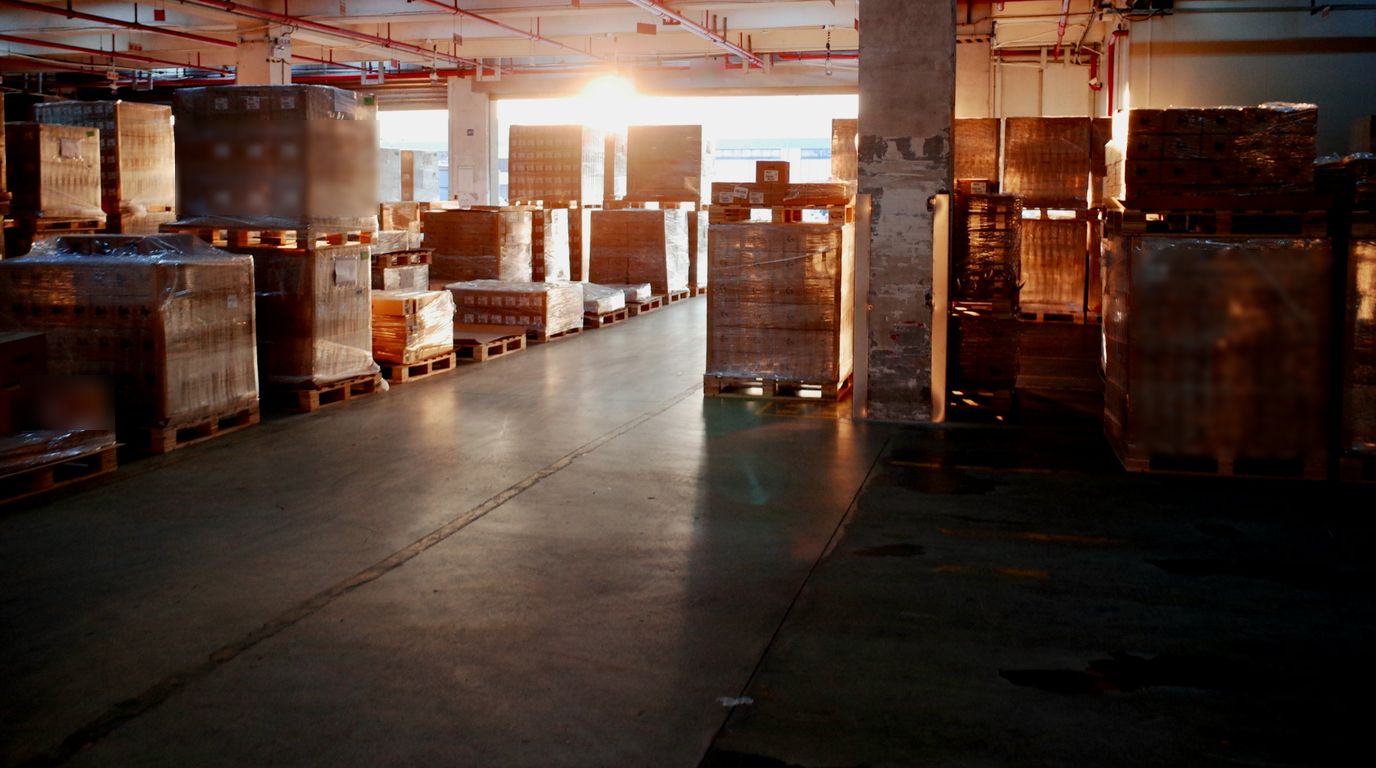
Factories rarely run an order to the exact unit. They add a margin for losses in molding, assembly and inspection, and whatever survives is surplus. Units that fail your inspection get sold as seconds if nobody says otherwise. And the molds stay in the factory after the last order ships.
None of this needs bad faith. It needs a contract silent on surplus, rejects and molds, which describes most purchase orders we see.
Several rounds of molds, and an exact copy on another site
A small vehicle-accessory brand described this on a public forum earlier this month. The founders had paid for dozens of prototype prints and several rounds of molds out of their own pocket. Their first batch sold out. Then their exact design appeared on another online seller's site, down to small details they had built into the product to catch copycats. They believed the seller had simply bought the design from a catalogue.
The post does not say which factory made the product or what the agreement said, and the seller's source is their belief, not a finding. If it happened the way they describe, the deliberate details are excellent evidence, because coincidence cannot explain them, and a design in a supplier catalogue points back to whoever held the molds or the files.
Two computer mice, a mold shop and RMB 400,000 at the Supreme People's Court
The closest published case we know concerns two computer mice ((2021)最高法知民终1386号, 11 December 2023). A Dongguan electronics company designed both by May 2016 and had a Shenzhen mold shop build the tooling. The quotation kept the molds with the mold shop until paid for; the brand finished paying only in 2019, and signed no confidentiality agreement with the shop.
In November 2016 the employee who had handled the mold project left and joined a competitor. On 30 December 2016 that competitor filed design patents on both mice, and it went on to sell one of them. The brand proved the sales with notarized purchases from a Taobao shop. The competitor's answer was that it had bought the molds and drawings from the mold shop, because the brand had not paid.
The Shenzhen Intermediate People's Court dismissed the claim. The Supreme People's Court reversed: sending drawings to a mold maker or to companies quoting for the work, even without an NDA, was ordinary practice and did not make the design public. The competitor could not prove a lawful purchase of the molds, and the mold shop's former staff denied it could sell them. The award was RMB 300,000 in damages and RMB 100,000 in costs, against RMB 2.1 million claimed.
Read it as a near miss. The brand won seven years after the patents were filed, largely because the mice's internal structure and dimensions could not be read off the finished product. Once a product is on sale, what a person in the trade can learn just by looking at it is generally treated as public (SPC Provisions on Trade Secret Cases, art. 4). For a simple molded part, little trade secret is left after launch, and the contract has to do the work.
What Chinese law gives you without an overrun clause
Where the factory works to your drawings or sample, the contract is usually one for work: the factory keeps your secrets as you require and may not keep copies or technical materials without your permission (Civil Code arts. 770 and 785). We would cite that in any demand letter. Its weakness is proof and money: it does not say how much surplus is a breach or what a breach costs.
Information learned in negotiation is protected even if no contract follows (art. 501). Trade secret law adds damages and reasonable enforcement costs, up to RMB 5 million where losses and profits cannot be measured, and shifts part of the burden of proof once you show confidentiality measures and likely misuse (Anti-Unfair Competition Law arts. 10, 22 and 39).
A Chinese design patent gives a separate, often simpler claim. If the factory has filed one in its own name, see our article on a supplier patenting your design.
The overrun terms we put in a manufacturing agreement
We start with numbers. The agreement states the order quantity and a maximum production allowance, and every surplus unit is delivered to you or destroyed under a record you can check: a count, photos and a signed sheet. Rejects get the same treatment, so "seconds" cannot leave the plant.
The factory may not make or sell, in any channel or under any brand, products made with your molds or to your design, and the ban reaches its affiliates. Your molds are marked, kept in a stated place and not lent out, which ties into the steps for getting molds back when the relationship ends.
Then the remedy: one fixed sum of liquidated damages per breach, chosen by the client, plus any loss above it and the costs of enforcement (lawyers', court or arbitration, preservation and notary fees). A court may reduce a sum excessively higher than the loss (Civil Code art. 585), so pick a figure you can explain from margin and launch costs. We would not rely on a clause that only says "the factory shall not disclose confidential information"; a factory will read it as silent on selling finished goods.
If the factory refuses a cap, our fallback is a full count at each pre-shipment inspection and a right to audit production records for your item. It is weaker, but it gives you numbers to set against what you paid for. For how these terms sit inside an NNN, see our guide to NNN agreements with Chinese factories.
Before you contact the factory: a test-purchase evidence checklist
- Save each listing first: product page, price, shop name and the business licence the platform displays, captured by a Chinese notary or a recognized timestamping service.
- Have the purchase made in China before a notary: order, payment, delivery and unpacking recorded, the parcel sealed. Notarized facts are accepted by a Chinese court unless disproved (Civil Procedure Law art. 72).
- Compare the unit with your own golden sample, point by point, starting with any feature only your design has.
- Pull your own file: drawings with dates, the mold acceptance record, POs with quantities, inspection reports and what happened to rejects.
- Write down how the seller's goods reach the market (platform, export, wholesale) before anything changes.
With that in hand, a demand letter to the factory can quote the contract and the evidence together. If listings are spreading, platform takedowns and enforcement against the source run alongside the claim against the factory.
Sources
- Supreme People's Court, Intellectual Property Court, (2021)最高法知民终1386号, judgment of 11 December 2023, reversing Shenzhen Intermediate People's Court (2020)粤03民初2382号; published on China Judgments Online and reprinted at zh.wikisource.org
- Civil Code of the PRC (effective 1 January 2021), articles 501, 584, 585, 770 and 785, moj.gov.cn/pub/sfbgw/zwgkztzl/2025nianzhuanti/2025mfdxcy/2025mfdxcy_mfdql/202505/t20250507_518708.html
- Anti-Unfair Competition Law of the PRC (revised 27 June 2025, effective 15 October 2025), articles 10, 22 and 39, ipc.court.gov.cn/zh-cn/news/view-6249.html
- SPC Provisions on Several Issues Concerning the Application of Law in Civil Cases Involving Trade Secrets (Fa Shi [2020] No. 7), article 4
- Civil Procedure Law of the PRC (amended 2023), article 72, ipc.court.gov.cn/zh-cn/news/view-6231.html
- Translations are mine and unofficial.
Frequently asked questions
- Are factory overruns legal in China? Surplus production is not unlawful in itself, but a factory working to your design may not keep copies without your permission (Civil Code art. 785), and selling them can breach the contract.
- Can a Chinese factory sell my product to other buyers if we never signed an NDA? It still owes default duties of confidentiality under a contract for work, but without a written ban, a quantity cap and a damages clause those duties are hard to prove and hard to value.
- Do I need a design patent in China to stop copies? Not for a claim against your own factory, which rests on the contract. Against an unrelated seller, a Chinese design patent is usually the most direct tool.
- How do I prove a factory is selling my design? Fix the listing and buy a unit in front of a Chinese notary, then compare it with your golden sample and your production records before you contact the factory.
Related service: NNN, Purchase & Manufacturing Agreements ↗
Before You Sign With a Chinese Factory. A free ten-point checklist for your first production run: five pages, with a tick sheet to print.
Get the checklistPut an overrun clause in place before your next production run.
A bilingual NNN with quantity, reject and mold terms is USD 1,500; the Factory Starter Package, with the manufacturing agreement, PO format and mold ownership terms, is USD 3,500. If your design is already on someone else's listing, send us the link and your order papers: a supplier dispute assessment is USD 590, with a written opinion in five business days.
Related reading
- NNN Agreements in China: How to Stop Your Chinese Factory from Copying or Selling Your Product
- Chinese Factory Won't Return Your Molds? Tooling Ownership and How to Get It Back
- Counterfeits of Your Brand on Chinese E-commerce Platforms: Takedown, Raid or Lawsuit?
This article is general information on PRC law as of 24 November 2026 and does not constitute legal advice. The answer in any matter depends on its documents and facts.